Species & Breeds
Breed Listing
1 random picks (1 total)Breed Finder
Scope: Dog | Tell us your preferences and get ranked matches.
Showing top suggestions in current scope. Add preferences to personalize matching.
Affenpinscher
Dog
- Limited explicit trait matches; review detail profile before deciding.
Afghan Hound
Dog
- Limited explicit trait matches; review detail profile before deciding.
Airedale Terrier
Dog
- Limited explicit trait matches; review detail profile before deciding.
Akita
Dog
- Limited explicit trait matches; review detail profile before deciding.
Alaskan Malamute
Dog
- Limited explicit trait matches; review detail profile before deciding.
American Bulldog
Dog
- Limited explicit trait matches; review detail profile before deciding.
American Cocker Spaniel
Dog
- Limited explicit trait matches; review detail profile before deciding.
American Eskimo Dog
Dog
- Limited explicit trait matches; review detail profile before deciding.
American Foxhound
Dog
- Limited explicit trait matches; review detail profile before deciding.
American Pit Bull Terrier
Dog
- Limited explicit trait matches; review detail profile before deciding.
American Staffordshire Terrier
Dog
- Limited explicit trait matches; review detail profile before deciding.
American Water Spaniel
Dog
- Limited explicit trait matches; review detail profile before deciding.
Anatolian Shepherd Dog
Dog
- Limited explicit trait matches; review detail profile before deciding.
Appenzeller Sennenhund
Dog
- Limited explicit trait matches; review detail profile before deciding.
Australian Cattle Dog
Dog
- Limited explicit trait matches; review detail profile before deciding.
Other Ideas To Improve Breed Matching
- Add a time commitment filter (minutes/day for walks, play, and training).
- Include a noise tolerance filter (quiet, moderate, vocal).
- Add budget range (grooming + routine care costs by breed profile).
- Use a short temperament quiz and weight calm/social/protective traits.
- Offer an "adoptable alternatives" mode to surface similar shelter-friendly breeds.
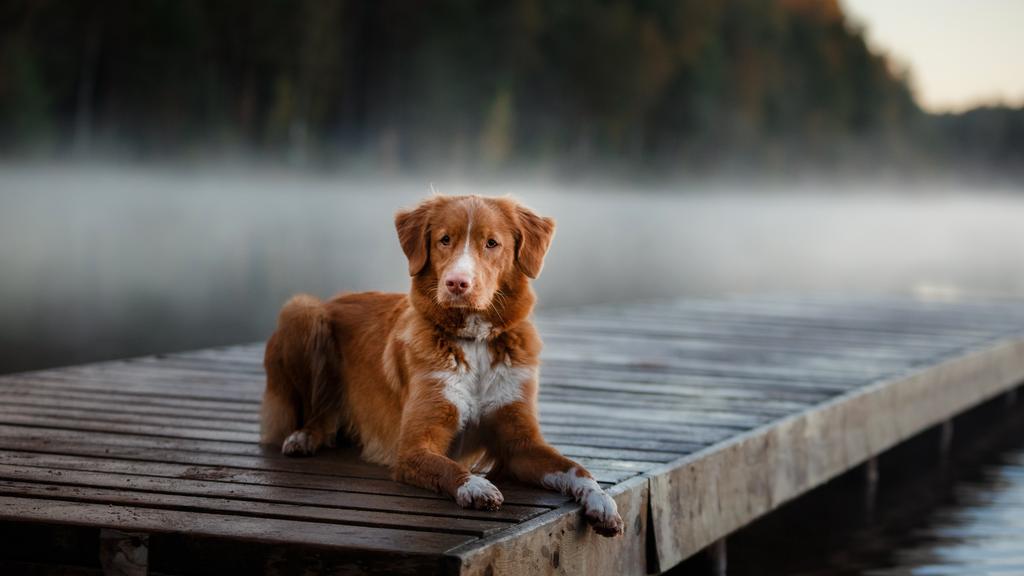
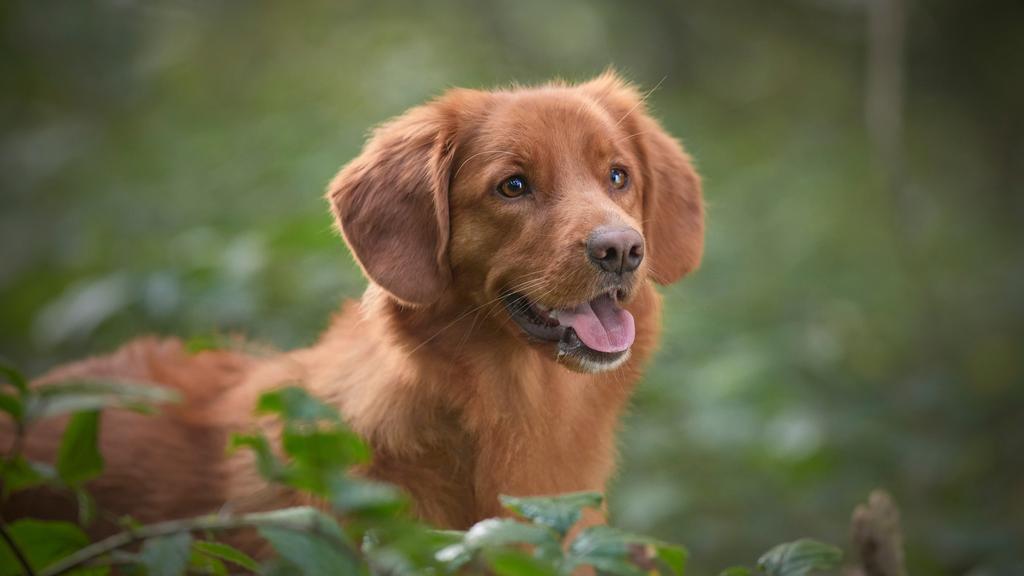
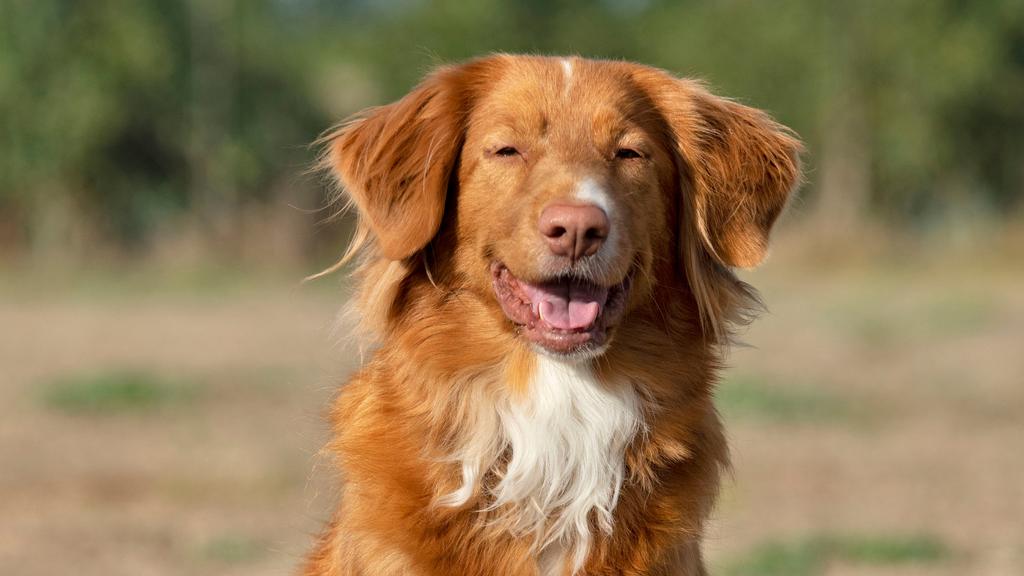
Nova Scotia Duck Tolling Retriever
Dog Breed Profile
Sections: 10
Attributes: 33
Data Coverage: 100%
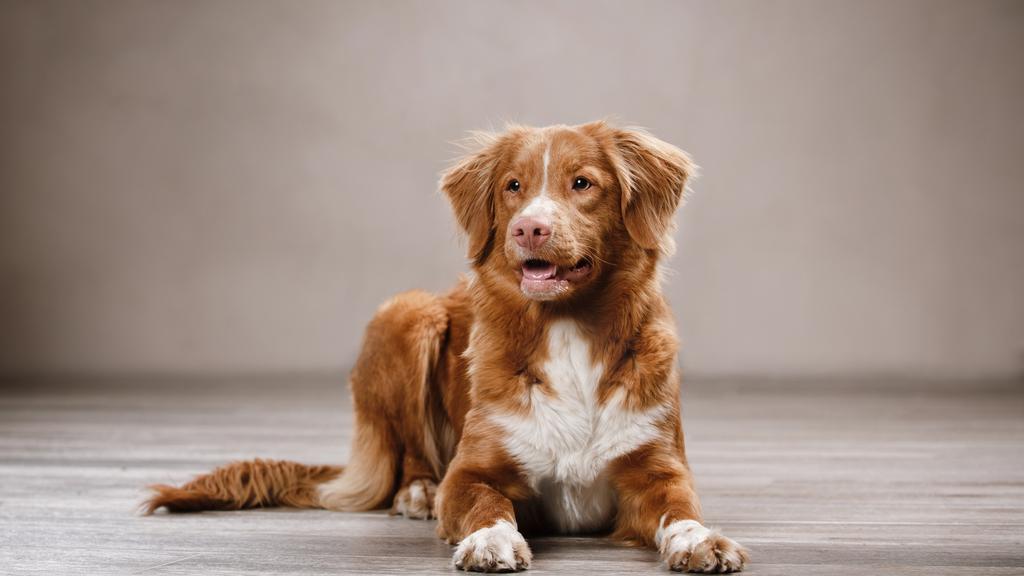
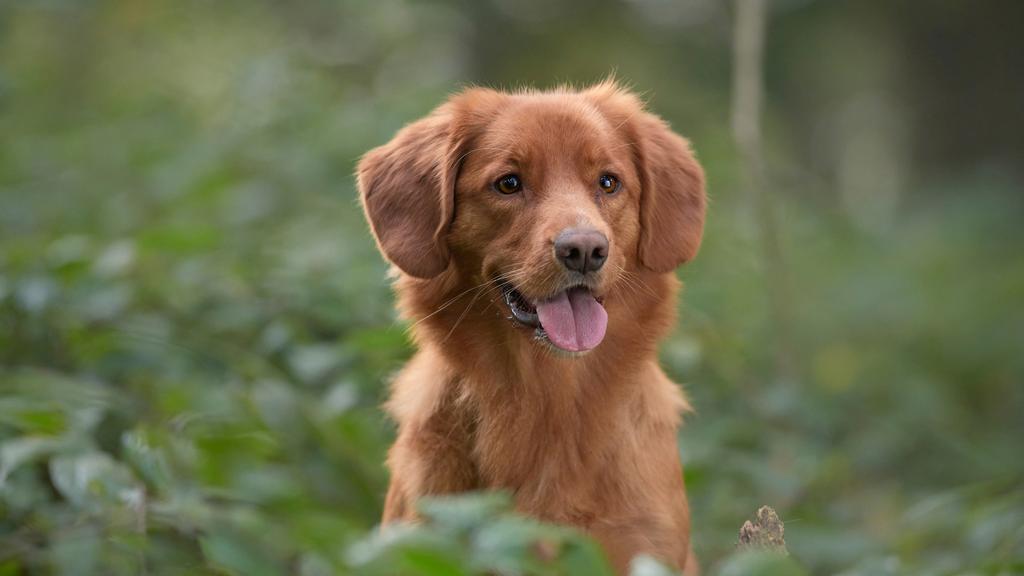
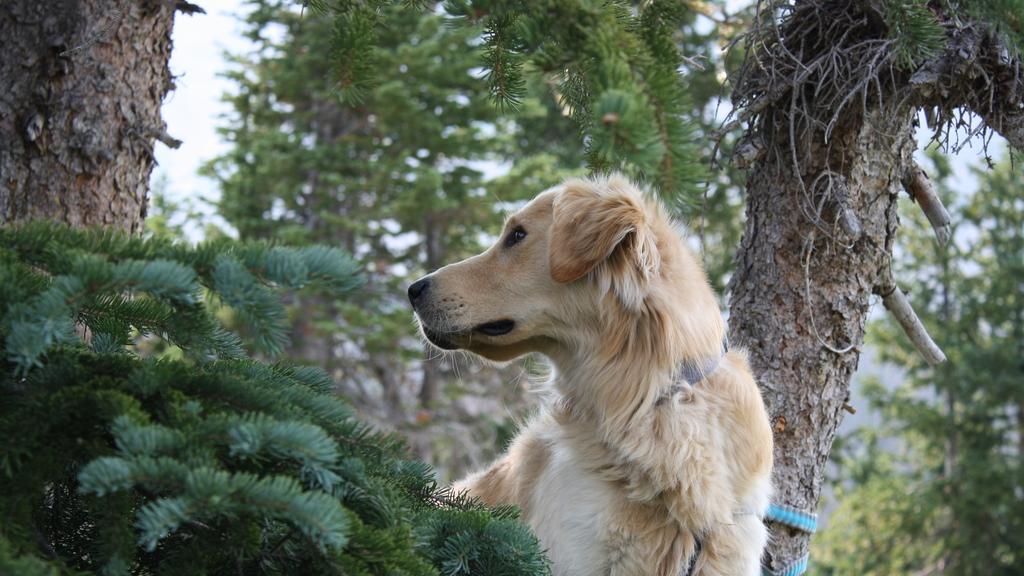
Quick Snapshot
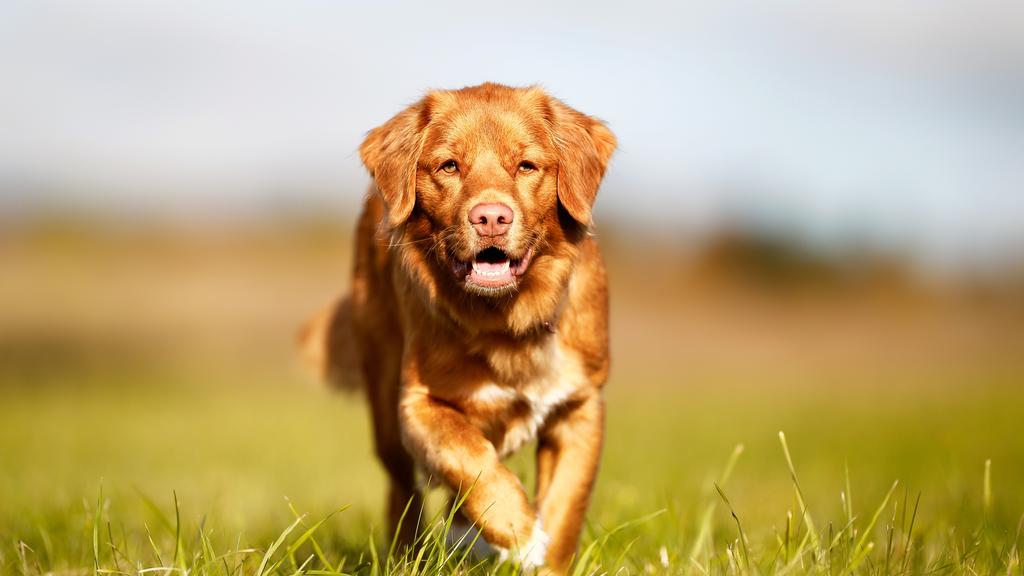
- Size & Weight: Medium to large athletic build; exact adult weight varies by line.
- Lifespan: Often 10-14 years, depending on line and preventive care.
- Coat Type: Medium-length coat with feathering in many lines.
- Shedding: Moderate shedding, with seasonal variation.
- Breed Group: Sporting
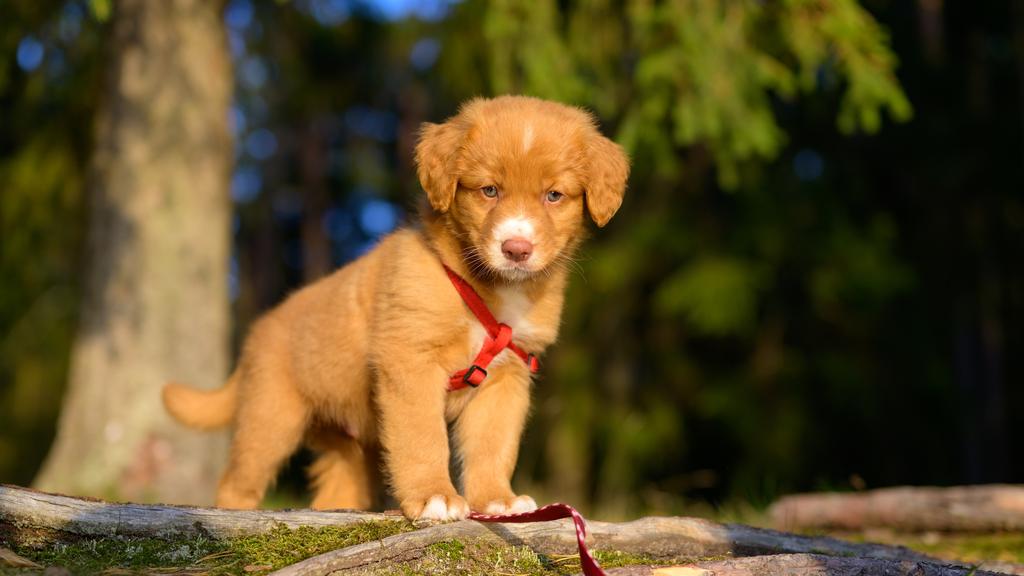
Basic Information
- Size & Weight: Medium to large athletic build; exact adult weight varies by line.
- Lifespan: Often 10-14 years, depending on line and preventive care.
- Coat Type: Medium-length coat with feathering in many lines.
- Shedding: Moderate shedding, with seasonal variation.
- Breed Group: Sporting
- Country/Region of Origin: Canada
- Recognition Status: Recognized
Life Stage Considerations
- Puppies: Nova Scotia Duck Tolling Retriever puppies need early socialization and consistent positive training foundations.
- Adults: Nova Scotia Duck Tolling Retriever adults generally do best with routine daily exercise and continued mental enrichment.
- Seniors: Senior dogs benefit from lower-impact exercise, weight control, and closer mobility and chronic-disease monitoring.
Temperament & Behavior
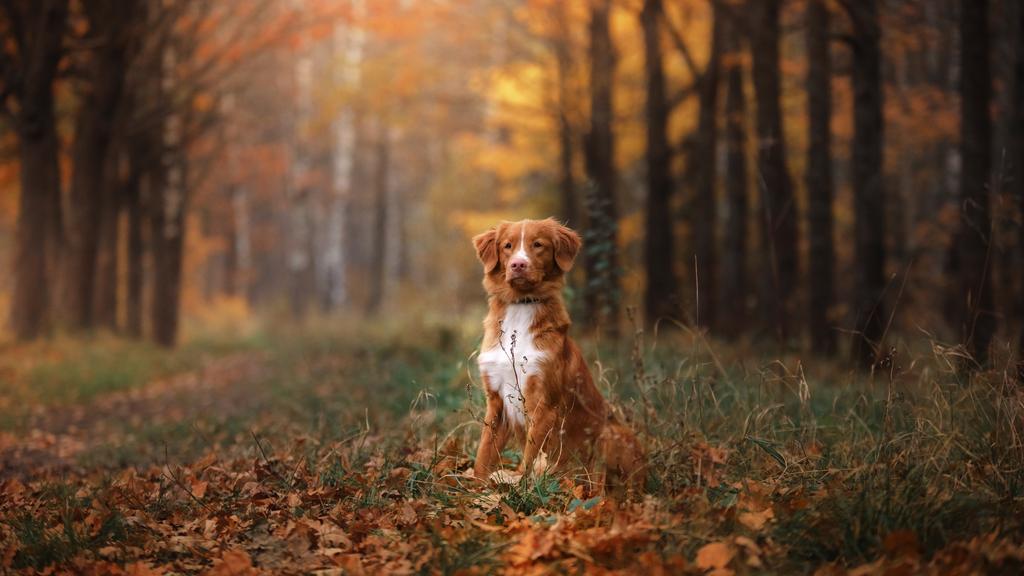
- Disposition: Temperament varies by line and socialization; many are loyal and family-oriented with proper training.
- Trainability: Usually responds best to consistent reward-based training and clear routines.
- Compatibility: Often does well in family settings when socialized and supervised appropriately.
Exercise & Activity Needs
- Energy Level: High.
- Daily Exercise: Usually 60-90+ minutes daily with physical and scent-based outlets.
- Preferred Activities: Retrieving, scent trails, hiking, obedience, and active games.
Grooming & Health
- Grooming Frequency: Regular brushing is needed, with professional grooming in many lines.
- Common Health Concerns: Hip/elbow strain, ear issues, and eye concerns can occur in many sporting lines.
- Preventive Care: Maintain healthy body condition, schedule regular wellness checks, and follow breed-aware preventive guidance from your veterinarian.
Suitability for First-Time vs. Experienced Owners
- First-Time: Possible for first-time owners if exercise and training commitments are met daily.
- Experienced: Experienced active owners can better support high daily exercise and training needs.
Living Environment Adaptability
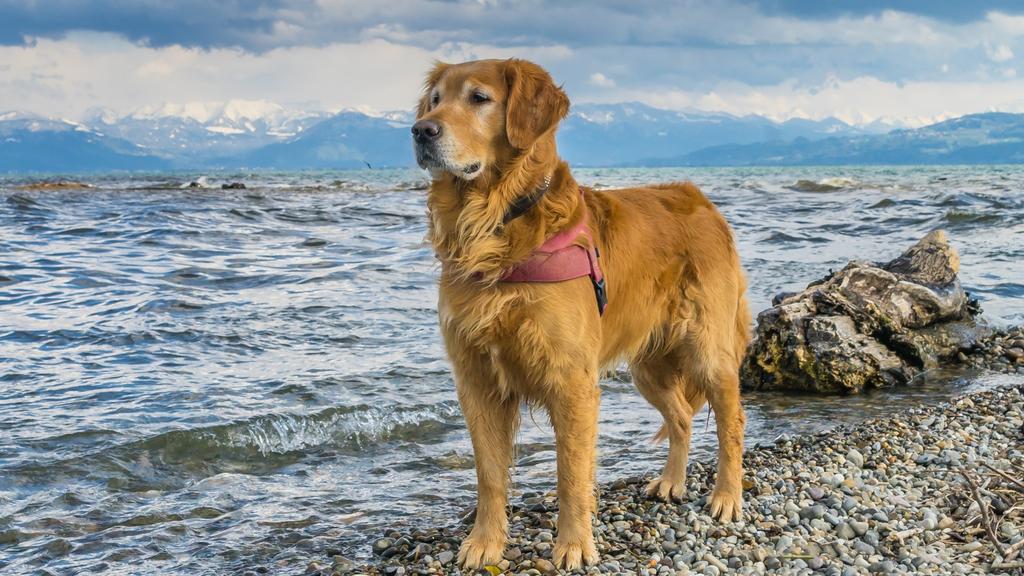
- Apartment-Friendly: Possible with strong daily exercise, though more space often helps.
- Climate Tolerance: Generally adaptable with weather-adjusted exercise planning.
- Noise Levels: Low to moderate vocalization tendency.
Financial Considerations
- Initial Costs: Moderate to high depending on source and activity setup.
- Ongoing Costs: Food, activity, training, and preventive care are major recurring costs.
- Insurance: Insurance is often helpful for unexpected emergency or chronic-care costs.
Adoption vs. Breeder Considerations
- Adoption Pros: Adoption can provide adult temperament and behavior history to support good placement matching.
- Breeder Pros: Reputable breeders can provide health-testing records and socialization history.
- Cons: High exercise needs can be difficult for low-activity households.
Long-Term Commitment & Special Considerations
- Lifespan: Often 10-14 years, depending on line and preventive care.
- Aging Needs: Senior dogs benefit from lower-impact exercise, weight control, and closer mobility and chronic-disease monitoring.
- Backup Plans: Arrange caregivers who can maintain exercise, medication, and routine care consistently.
Common Conditions
Additional Details
Country/Region of Origin: Canada
Recognition Status: Recognized
Reviews & Comments
No comments yet.